Capture the vehicle
Record model, year, axle position and any vehicle manufacturer requirements. A VIN or fleet platform reference can help resolve ambiguity.
Fitment & validation
Bring your vehicle and operating conditions together before asking which tire is right for the job.
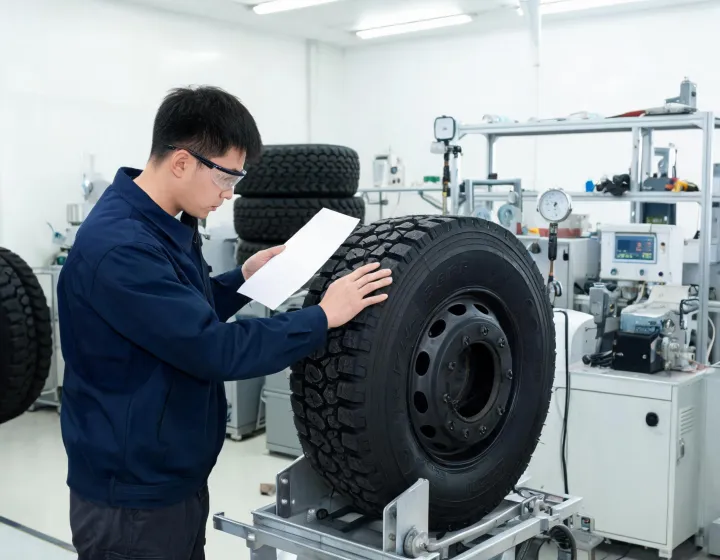
Record model, year, axle position and any vehicle manufacturer requirements. A VIN or fleet platform reference can help resolve ambiguity.
Read the complete tire size from the sidewall and check the rim dimensions and clearance before comparing alternatives.
Share axle loads, speed, surfaces, climate and expected operation. These inputs help frame a meaningful selection discussion.
Set the quantity, destination market, timing and acceptance criteria so every proposed option is assessed against the same requirements.
Agree dimensions, markings and any rig or laboratory methods before samples are evaluated. Identify the applicable product family and market; a management-system certificate is not itself a product approval.
Consider a defined road or duty-cycle assessment where appropriate. Record conditions, inspection intervals and acceptance criteria so observations can be compared fairly.
Fitment information — vehicle, tire size and approved operating boundaries.
Product specification — load index, speed rating and tire construction.
Evidence request — destination market, standard and test method to be confirmed.
Documents are supplied for review where available; ask about the exact product and market rather than assuming a universal approval.
Provide the platform, year, size, load, speed, duty cycle, quantity and market. Include any required evidence or sample plan.
Yes. Record changes and revisit fitment and validation assumptions with the responsible vehicle or engineering team.
Use the form to share what is known and flag the decisions that still need review.