Vehicle and position
Record make, model, year and axle position. For a fleet, identify the platform and any vehicle-specific requirements; include VIN or OE information when useful.
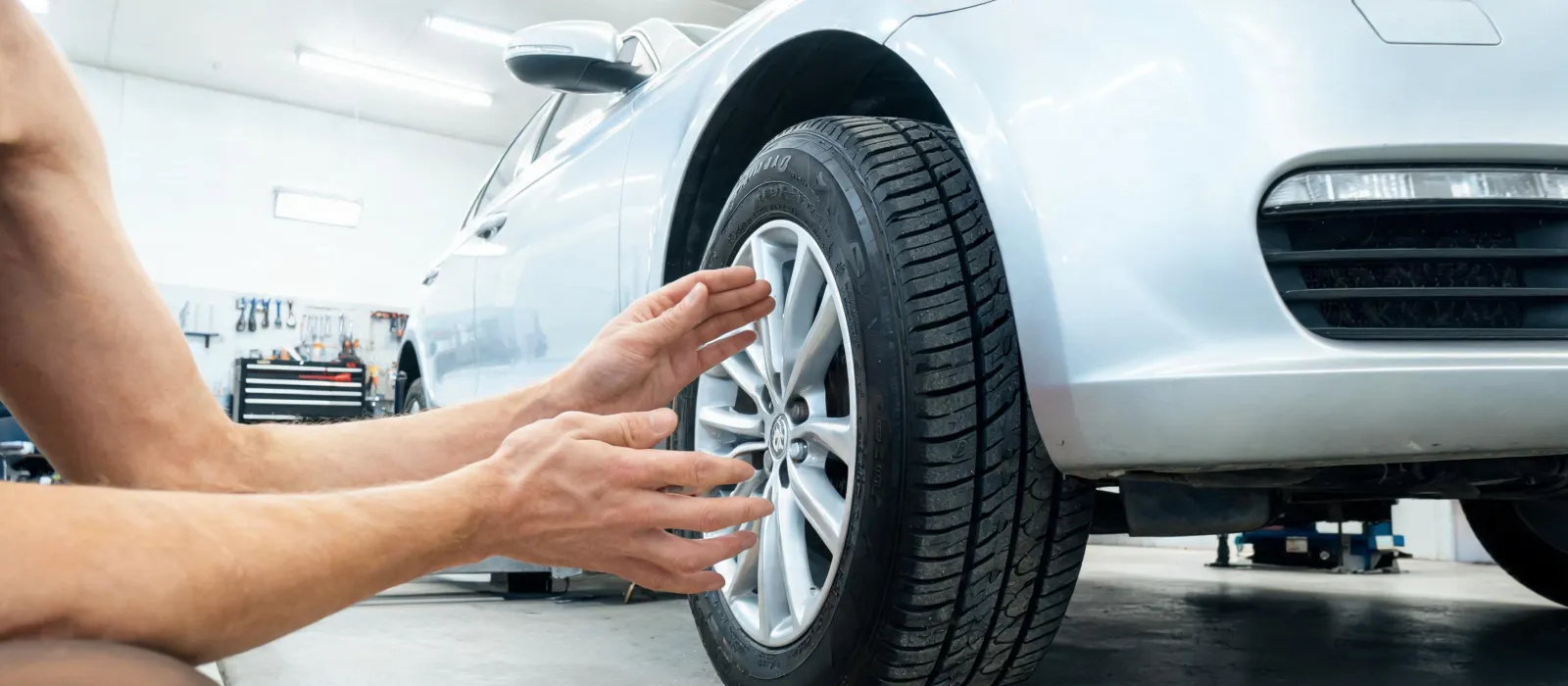
Gather the right details before comparing passenger and commercial tire options.
Size is a starting point, not a guarantee of fit. The vehicle manufacturer’s specifications, load, speed and service environment all need to be considered together.
Record make, model, year and axle position. For a fleet, identify the platform and any vehicle-specific requirements; include VIN or OE information when useful.
Capture the complete size, load index and speed rating. Confirm the rim and clearance requirements with the vehicle manufacturer before substitution.
Describe axle loads, road surfaces, climate and typical speed. Include quantities, market and intended replacement schedule in your inquiry.
Use this sequence as a preparation checklist. Progress indicates the stages to complete, not a measured product performance claim.
A radial construction and a bias construction may respond differently to load and terrain; suitability depends on the tire specification and service conditions. Lower rolling resistance must be weighed against wet grip and tread life using comparable test methods; a result from one duty cycle does not predict every route. Request the test method, load, inflation pressure, surface and temperature with the product data. Ask for documentation specific to the tire and destination. Standards and system certificates have different scopes, so confirm applicability before relying on them.
Send the details you have and identify the points that still need clarification.