Understand the brief
Vehicle application, tire construction and destination market establish the context for each discussion. Clear inputs make it easier to distinguish a specification from an assumption.
Our approach
Good purchasing conversations connect the tire on the road with the people, requirements and records behind it.
Vehicle application, tire construction and destination market establish the context for each discussion. Clear inputs make it easier to distinguish a specification from an assumption.
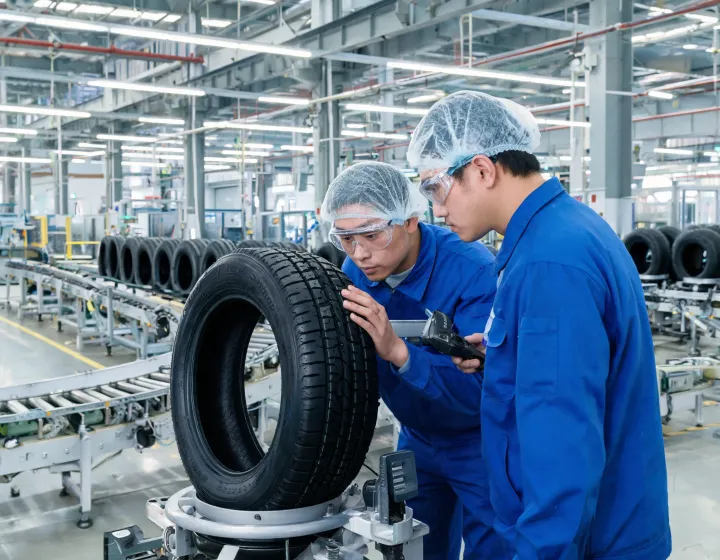
Manufacturing and inspection requirements should be considered alongside the requested product. Ask for the records and methods relevant to the exact tire under consideration.
Delivery and service planning connect the specification to the operating environment. Feedback from actual use can inform a future review.
Identify the passenger or commercial tire family and sizes needed.
Share quantities and expected purchasing intervals.
Specify the market and delivery requirements.
Discuss lead time and documentation before ordering.
System certifications and product regulations answer different questions. Review each document’s scope and validity for the facility, product and destination market involved.
Agree the identification, inspection and traceability records required by the purchasing team. Specific evidence should be requested rather than assumed.
Useful guidance starts with listening. Buyers can bring incomplete information, and the conversation can identify the next practical step without promising a fit before the details are checked.
We encourage teams to document assumptions, involve the people responsible for the vehicle and keep the final decision tied to the stated operating conditions.

Tell us about the vehicles and requirements you are working with.